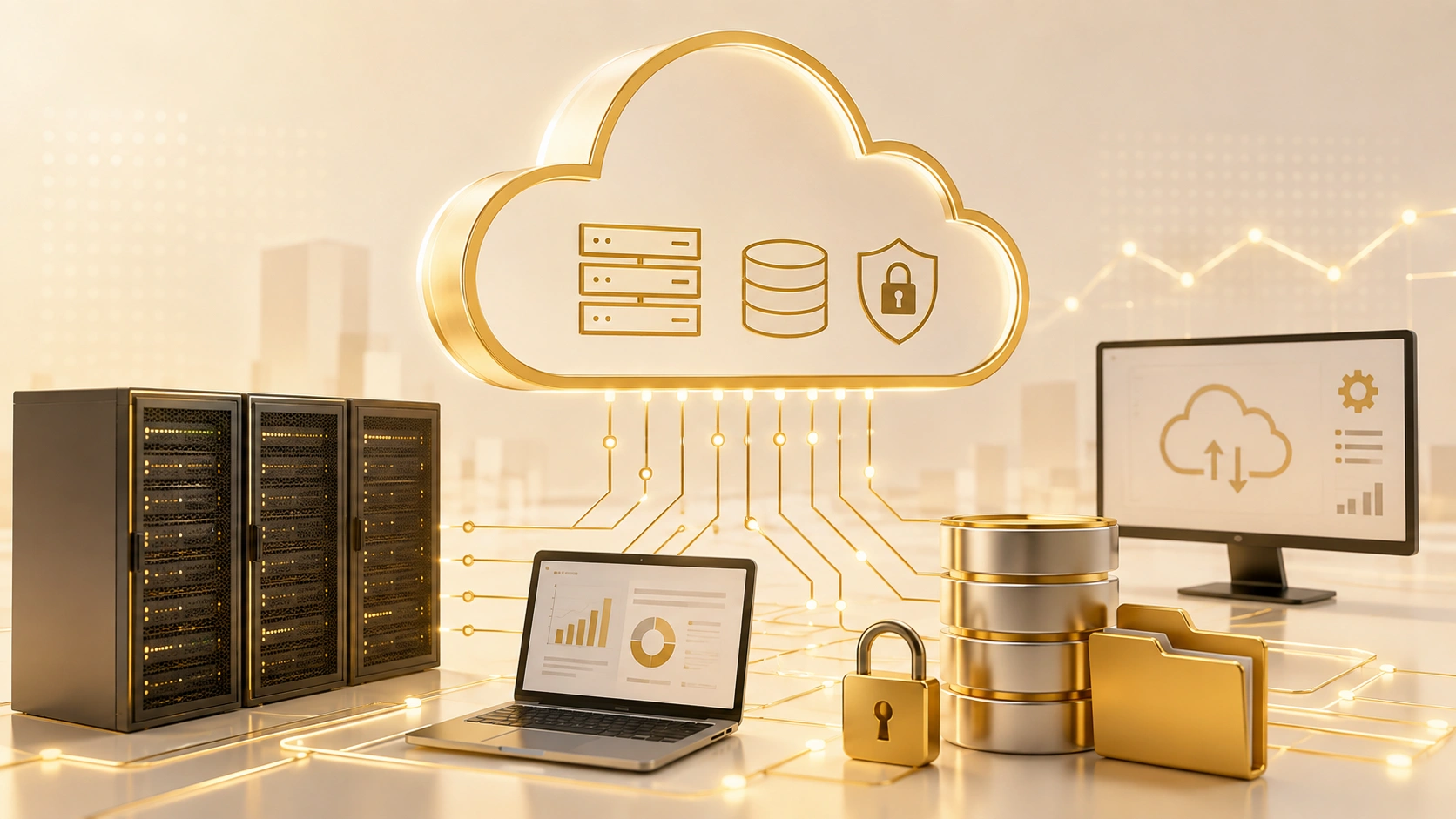
When your business starts growing, your IT infrastructure can quickly become a problem instead of a support system. Outdated servers, limited storage, rising maintenance costs, security concerns, and systems that struggle with increasing workloads can slow your team down.
The good news is that you do not always need to keep investing in more physical infrastructure to keep up.
With the right cloud infrastructure solutions, you can build an IT environment that is more flexible, scalable, and easier to manage. But choosing a cloud setup is not simply about moving your existing systems online. You need an infrastructure that fits your business, workloads, security requirements, and future plans.
At Top Cloud Solutions, we believe businesses should start with their specific needs before choosing a cloud environment. Our cloud solutions can help businesses build a more flexible and scalable IT environment.
What Are Cloud Infrastructure Solutions?
Cloud infrastructure solutions provide the foundation businesses need to run applications, manage data, and support their digital operations. According to the National Institute of Standards and Technology (NIST), cloud infrastructure includes the hardware and software that enable cloud computing, such as servers, storage, and network components.
These can include:
- Computing resources and virtual servers
- Cloud storage
- Networking
- Databases
- Security controls
- Monitoring and management
- Backup and disaster recovery
For businesses in the Philippines, these capabilities can be particularly useful when IT requirements are changing quickly. Cloud environments can provide flexible resources while reducing the need to continually expand physical infrastructure.
What Do Cloud Infrastructure Solutions Include?
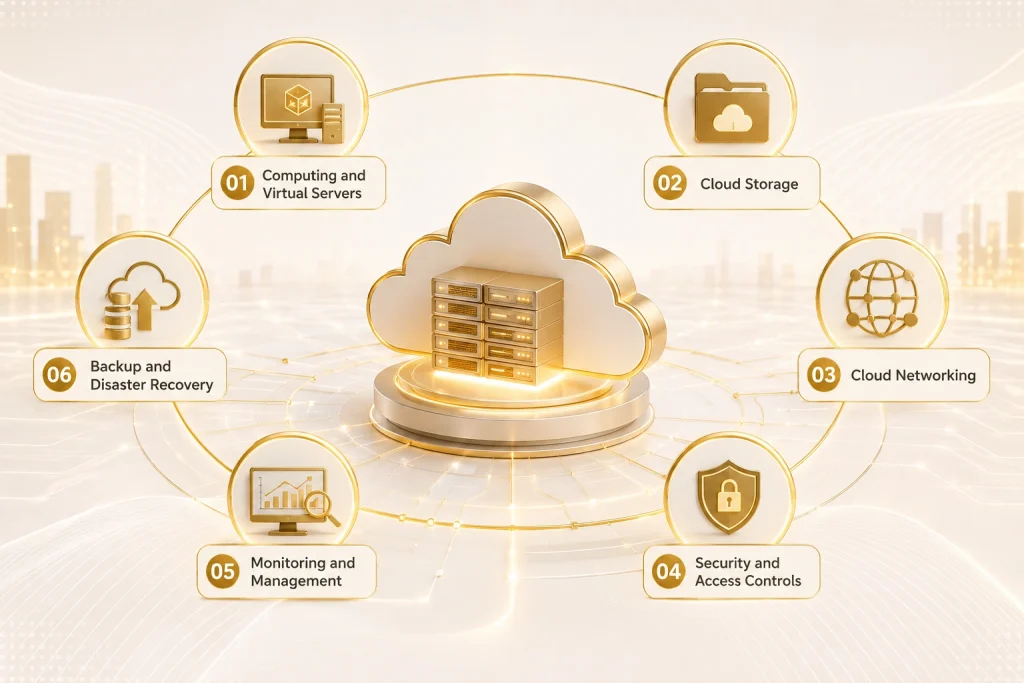
A reliable cloud infrastructure should cover more than just servers. It should provide the foundation your business needs to operate securely and efficiently.
1. Computing and Virtual Servers
Cloud computing gives businesses access to computing resources without requiring every workload to run on physical servers owned and maintained on-site.
You can allocate resources based on your workload and adjust them as your requirements change. Learn more about how cloud computing solutions can support different business workloads.
2. Cloud Storage
Businesses generate and store large amounts of data every day. Cloud storage provides a flexible way to store files, applications, databases, and other business information while supporting access and data protection requirements.
3. Cloud Networking
Your applications and systems still need reliable connections. Cloud networking helps connect users, applications, servers, and other resources within your environment.
4. Security and Access Controls
Security needs to be considered from the beginning, not added after deployment. Cloud infrastructure may include network security, access controls, authentication, monitoring, and other safeguards. Businesses can also explore our cloud security solutions to better understand how cloud environments can be protected.
Philippine government cloud requirements also highlight areas such as network isolation, firewalls, least-privilege access, monitoring, and threat remediation.
5. Monitoring and Management
Cloud infrastructure monitoring solutions help businesses keep track of resource usage, system performance, availability, and potential issues. This visibility can help your team identify problems before they affect important operations.
6. Backup and Disaster Recovery
A cloud environment should also have a plan for protecting and recovering important data. Backup and recovery capabilities can help businesses prepare for outages, accidental data loss, and other disruptions. Our guide to cloud backup solutions provides more information about protecting business data and preparing for recovery.
What Types of Cloud Infrastructure Solutions Can Businesses Use?
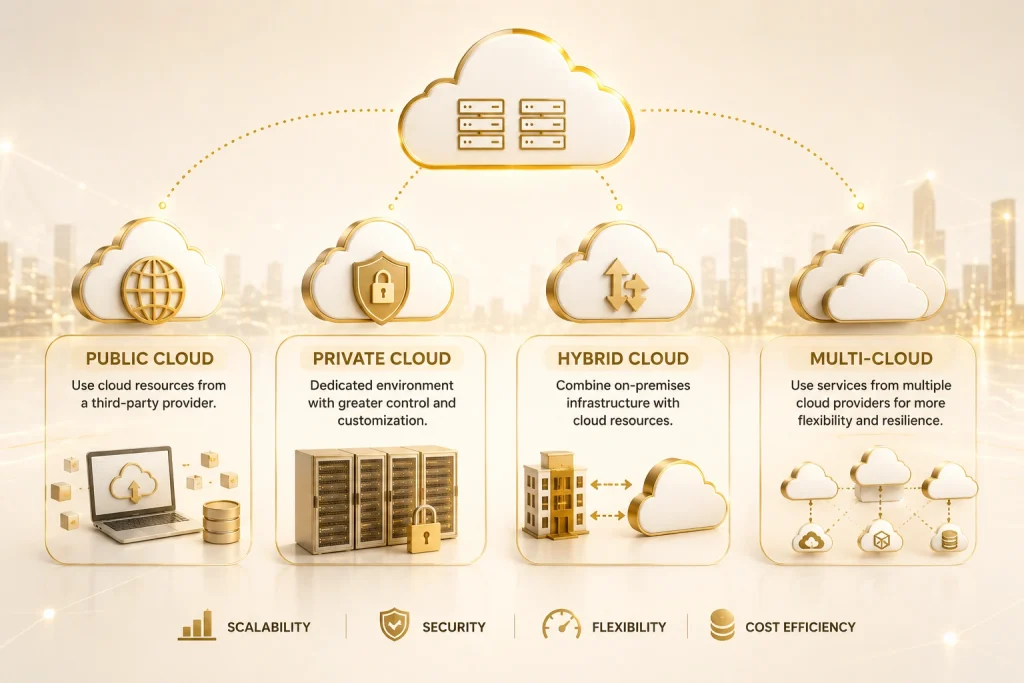
There is no single cloud model that works for every business. Your choice should depend on your applications, data, security requirements, budget, and operational needs.
Public Cloud Infrastructure Solutions
Public cloud infrastructure solutions use cloud resources provided through a third-party cloud provider. This model can be useful for businesses that need scalable resources without managing all the underlying physical infrastructure themselves.
Private Cloud Infrastructure
Private cloud environments provide greater control over the infrastructure and can be suitable for organizations with specific security, customization, or workload requirements.
Hybrid Cloud Solutions
Hybrid cloud solutions combine cloud resources with on-premises infrastructure. This can be practical for businesses that need to keep certain systems or workloads in their existing environment while moving other operations to the cloud.
Multi Cloud Infrastructure Solutions
Multi cloud infrastructure solutions involve using services from more than one cloud provider. This approach can give businesses more flexibility, but it also requires careful planning, monitoring, security, and management.
Philippine cloud providers and technology companies increasingly discuss hybrid and multi-cloud environments alongside migration, security, monitoring, and managed services.
Why Should Businesses Consider Cloud Infrastructure Solutions?
The right infrastructure can help your business respond to changing IT requirements without constantly rebuilding its technology foundation.
Here are some reasons to consider it:
- Scalability: Adjust resources as workloads increase or decrease.
- Flexibility: Support different applications, users, and business requirements.
- Business continuity: Build stronger backup and recovery processes.
- Better infrastructure visibility: Monitor resources and identify potential issues.
- Reduced dependence on physical infrastructure: Reduce the need to continually expand on-site hardware.
- Support for business growth: Create an infrastructure that can adapt as your organization expands.
Cloud infrastructure providers in the Philippines commonly position scalability, security, monitoring, backup, migration, and infrastructure management as key considerations for businesses modernizing their IT environments.
When Should Your Business Consider Cloud Infrastructure Solutions?
You may want to evaluate your current infrastructure if:
- Your servers are becoming difficult or expensive to maintain.
- Your workloads are growing faster than your existing infrastructure.
- Your business needs to support more remote users.
- Your IT team needs better monitoring and management.
- You need stronger backup and recovery capabilities.
- Your current infrastructure makes it difficult to scale.
- You are preparing for cloud migration.
You do not need to move everything at once. A proper assessment can help determine which workloads should move first and which systems may need to remain where they are.
How Do You Choose the Right Cloud Infrastructure Solutions?
Before selecting a solution, consider these key areas:
- Your current infrastructure: Understand what you already have and what needs improvement.
- Your workloads: Different applications may require different levels of computing, storage, and performance.
- Security requirements
Consider access controls, monitoring, data protection, and applicable requirements. - Scalability: Make sure the environment can support future growth.
- Monitoring and management: Choose an approach that gives your team visibility over infrastructure performance.
- Backup and recovery: Make sure critical data and systems can be recovered when needed.
- Cost and resources: Evaluate both current requirements and potential future usage.
Cloud Infrastructure Solutions for Philippine Businesses
For businesses in the Philippines, choosing cloud infrastructure is not simply a technology decision. It can affect how your team operates, how you protect business information, and how easily your systems can support growth.
The right approach should consider your existing infrastructure, business goals, security needs, connectivity, workloads, and future plans. Philippine organizations are also placing greater attention on security, monitoring, migration, scalability, and compliance when evaluating cloud environments.
How We Can Help With Your Cloud Infrastructure
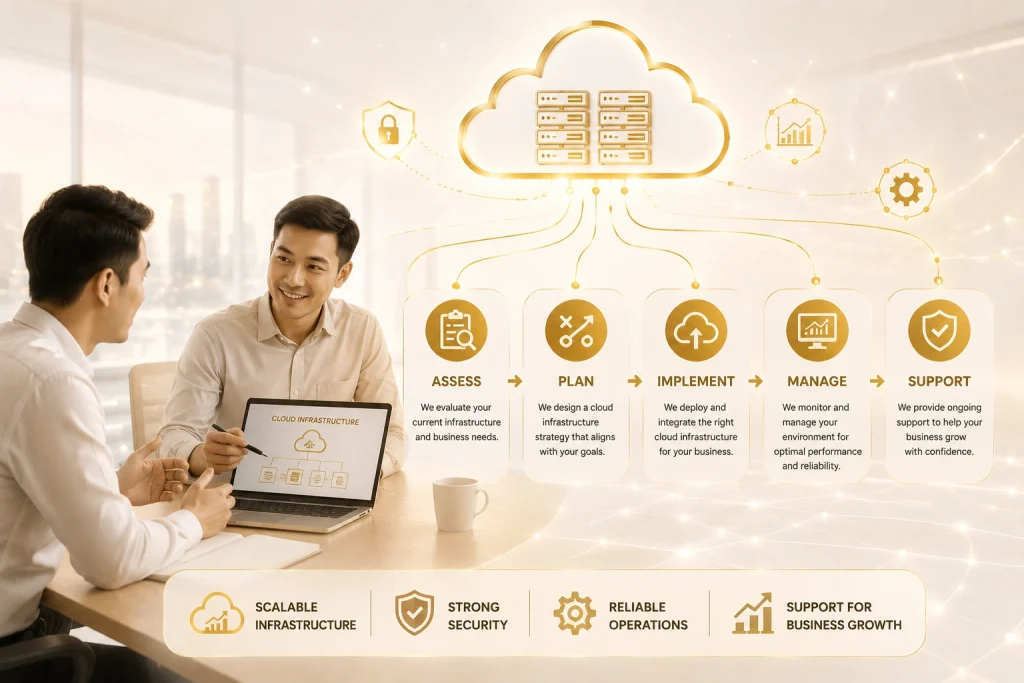
At Top Cloud Solutions, we understand that every business has different infrastructure requirements. We can help you evaluate your current environment, identify opportunities for improvement, and plan a cloud infrastructure approach that supports your business goals.
Whether you are preparing for migration, improving an existing cloud environment, or looking for a more scalable infrastructure, our goal is to help you make practical cloud decisions based on your actual needs.
Ready to build a cloud environment that can keep up with your business? Contact Top Cloud Solutions today and let us help you explore the right cloud infrastructure solutions for your organization.
1 Comment
Comments are closed.
 ] A huge thank you to everyone who joined our
Managed Cloud Services Philippines: Benefits & Risks Guide
August 25, 2026 at 5:58 am[…] is different from cloud hosting, which mainly gives you the online infrastructure where your applications, files, or websites […]